

Energy Efficiency in Construction: How Celcrete Helps
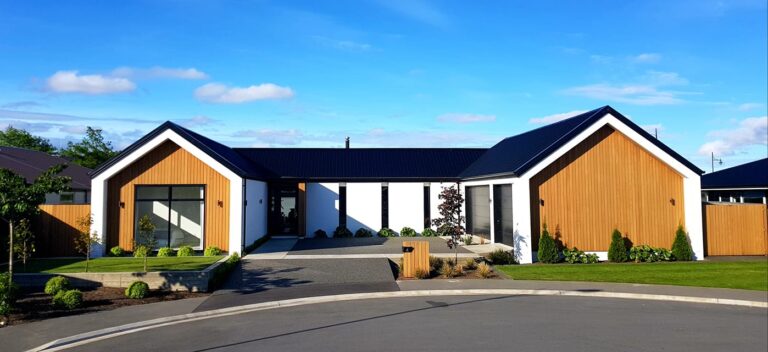
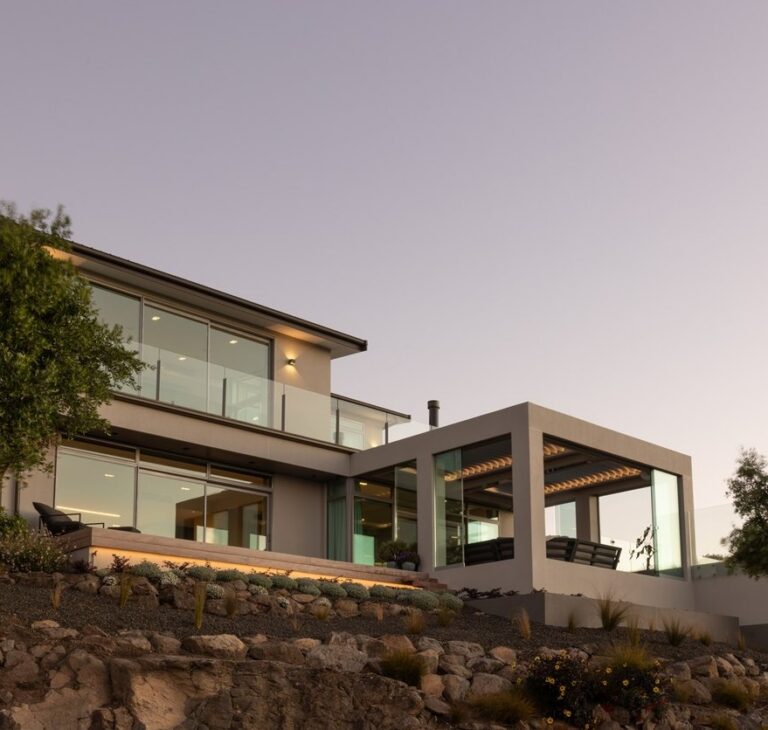
Energy efficiency is a top priority in homes and developments in New Zealand. Celcrete AAC panels offer a practical way to improve insulation, reduce heating and cooling costs, and contribute to more sustainable buildings.
Thermal Performance
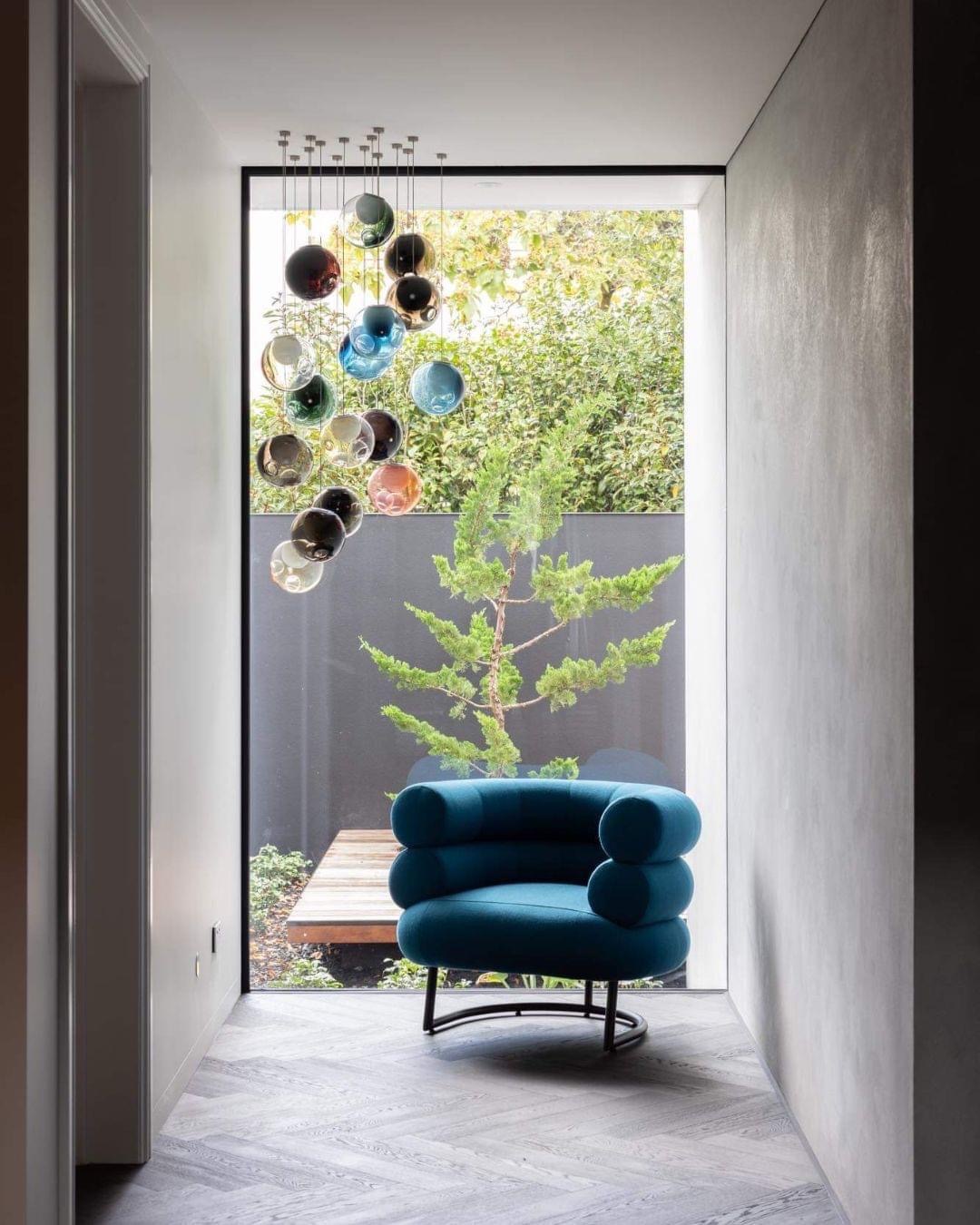
Celcrete’s AAC composition provides excellent insulation. Walls retain heat in winter and stay cooler in summer, reducing reliance on artificial heating and cooling. Compared with traditional masonry, Celcrete’s thermal efficiency can make a noticeable difference in energy bills and indoor comfort.
Lightweight but Effective
The lightweight nature of AAC panels doesn’t compromise their insulating properties. Combined with proper installation using licensed applicators and H3.2 timber battens, this creates a thermally efficient envelope for your home. This is particularly valuable in NZ’s coastal and temperate climates.
Compliance and Sustainability
Using energy-efficient materials like Celcrete can contribute to meeting NZ building code energy requirements.
Regulatory / Building Code Compliance
In NZ and elsewhere, the building codes are increasingly strict around thermal insulation, fire performance, moisture control. AAC panels often make it easier to meet or exceed those requirements without expensive add-ons. Using systems like Celcrete AAC helps minimise risk of non-compliance or needing expensive retrofits.
- Lightweight yet Strong
Because of the internal air pores, Celcrete AAC panels are significantly lighter than standard concrete or masonry, reducing load on structural framing and foundations. This makes handling, transport, and installation easier and safer.
- Speed & Efficiency on Site
The lighter weight, straight edges, and larger panel sizes allow quicker installation. Less labour, simpler handling and fewer delays, meaning builders can move faster on construction schedules.
- Excellent Thermal Performance
Celcrete AAC panels have very good insulation properties (lower thermal conductivity, high thermal mass) thanks to the air voids. Homes and buildings with AAC stay warmer in winter and cooler in summer – lowering heating/cooling costs and helping meet energy efficiency requirements.
- Better Acoustic Insulation (Sound Control)
The porous structure of AAC is good for dampening and absorbing sound. For multi-unit dwellings, intertenancy walls, or any buildings where sound between spaces matters (offices, apartment blocks), that is a valuable benefit.
- Fire Resistance & Safety
Celcrete AAC panels are non-combustible, resist fire well, and often meet building code requirements for fire ratings. That gives both builders and homeowners greater confidence in safety.
- Durability, Rot & Decay Resistance
Because AAC is inorganic, it doesn’t rot, warp, or decay like some timber or organic materials do. Also, Celcrete AAC system is designed to resist pests and environmental deterioration. This lowers long-term maintenance costs.
Why Celcrete AAC Aligns with What Builders Need
If you choose a system built with all the benefits above, you get both performance and peace of mind. Celcrete AAC delivers all of these benefits:
- Fire resistance and non-combustibility.
- Lightweight yet structurally robust cladding system designed for NZ’s conditions.
- Excellent thermal and sound insulation.

With Celcrete, You Know It’s Done Right
AAC panels are rapidly becoming a preferred choice for many builders because they combine durability, performance, efficiency, and sustainability in a single system. If you’re planning a project that demands thermal comfort, fire safety, acoustic control, less maintenance and code compliance – Celcrete AAC deserves strong consideration.
If you want to spec a system or compare quotes, feel free to reach out – we can help you evaluate Celcrete AAC vs other materials for your build so you get the best value and performance.
Every detail counts – and with Celcrete, you know it’s done right.