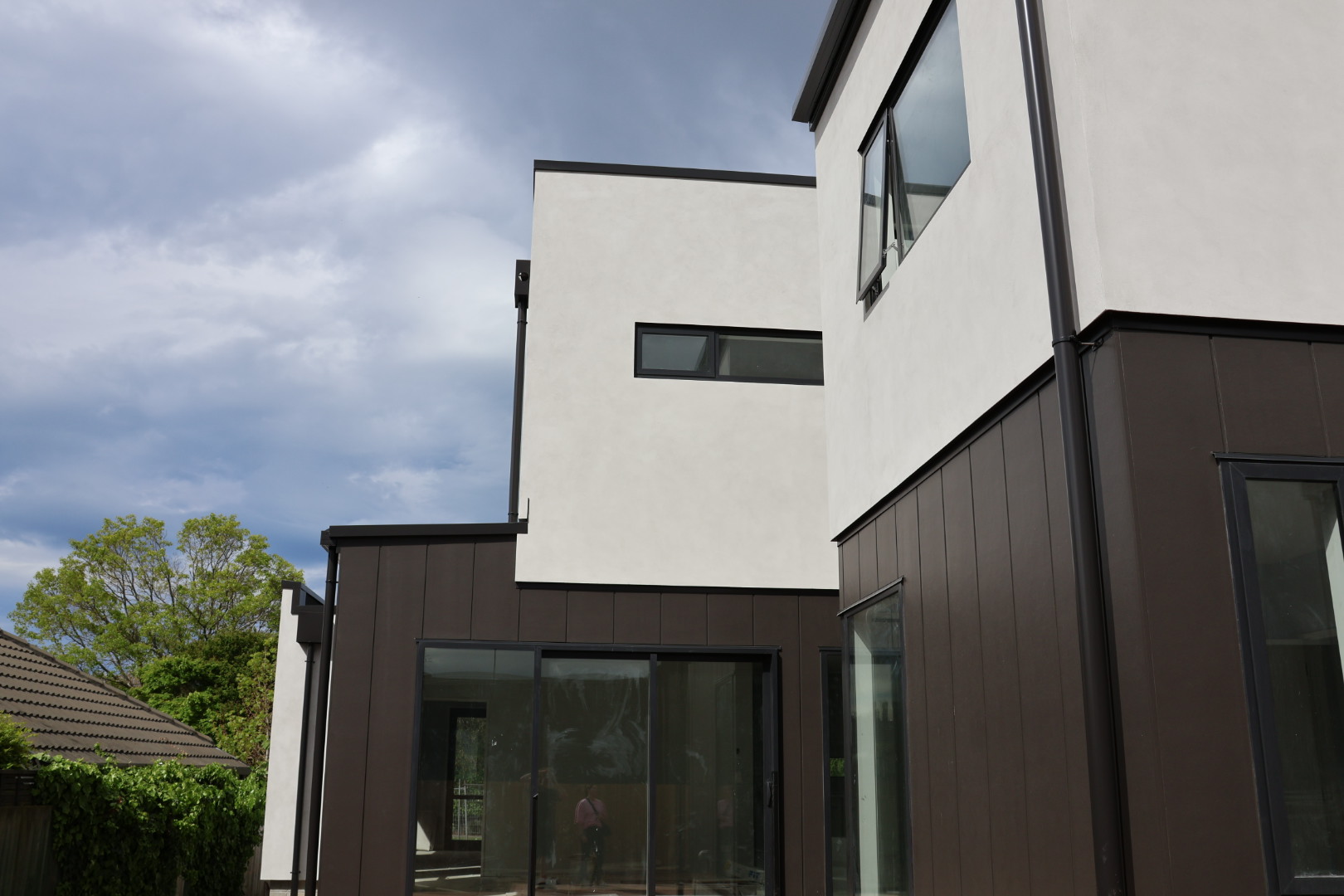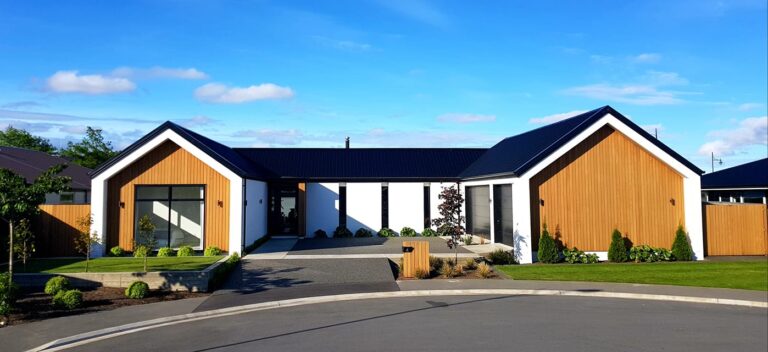


Celcrete vs. Traditional Masonry – Comparing Speed, Weight & Performance
When choosing an exterior cladding system, builders and architects often weigh the benefits of lightweight AAC panels versus traditional masonry. Celcrete offers an alternative that can reduce build time, improve thermal performance, and make construction easier without compromising durability. Here’s how Celcrete compares.
Speed of Construction
Celcrete AAC panels are significantly lighter than traditional masonry, allowing for faster handling and installation. Builders can cut installation time by days or even weeks, particularly on multi-unit developments or low-rise residential projects.
Weight Considerations
Traditional masonry is heavy, often requiring reinforced foundations and extra structural support. Celcrete panels are lightweight yet strong, reducing the load on the building’s structure. This weight reduction can save on foundation costs and makes retrofitting or adding extensions more feasible.
Performance and Durability
Despite being lightweight, Celcrete AAC offers excellent strength, weather resistance, and fire performance. Its composition provides natural insulation and superior acoustic properties compared to brick or concrete block walls. Properly installed panels with H3.2 timber battens and licensed applicators ensure long-lasting durability, even in coastal conditions.
Cost Implications
While upfront material costs may be comparable, the reduced labour, faster construction time, and lower structural requirements often make Celcrete more cost-effective overall. Long-term savings can also come from lower maintenance needs and improved energy efficiency.
Celcrete provides a compelling alternative to traditional masonry, offering speed, lightweight convenience, and high performance. Builders and architects looking for efficiency without sacrificing quality should consider Celcrete AAC panels for their next project.
Every detail counts – and with Celcrete, you know it’s done right.